
 CART
CART
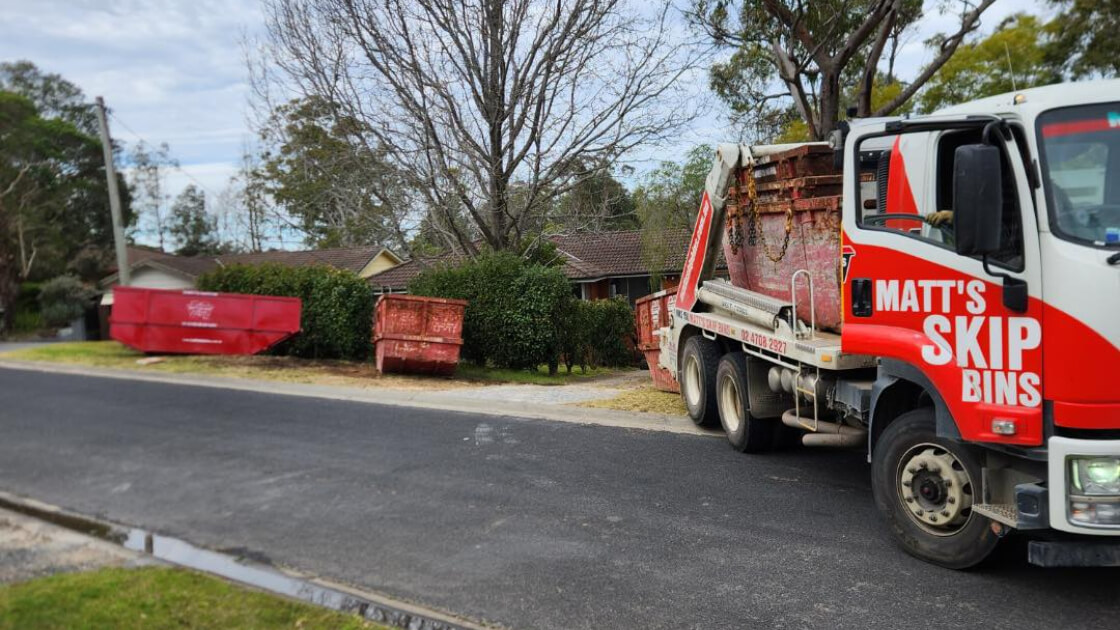
Whether you’re sorting out a renovation, a garage clean-up, or a full house move, you’ll face the same question. What size skip bin do you actually need?
Get the wrong size, and you’ll either pay for space you don’t use or scramble to book a second bin halfway through the job. Get it right, and waste disposal becomes one less thing to think about.
At Matt’s Skip Bins, we supply a full range of skip bin sizes across Western Sydney, from small mini skips through to large bins built for serious construction waste. We will help you choose the right skip bin, break down what each size is best suited for, and cover a few practical things, like weight limits and council permits, that catch people out if they’re hiring a skip bin for the first time.
What to Consider When Choosing the Right Skip Bin Size
Two things really drive the decision. The first is how much waste you’re dealing with. The second is the type of waste.
Start by estimating the volume. Skip bins are measured in cubic metres, and it helps to think in terms of wheelie bins if you’re not used to picturing cubic metres. A 2m³ bin holds around 8 standard wheelie bins worth of rubbish, while a 6m³ bin can take closer to 24. If you’re unsure, it’s almost always worth booking a slightly larger bin than you think you need. Underestimating means paying for a second bin or a second pickup, and neither is cheaper than just going up a size in the first place.
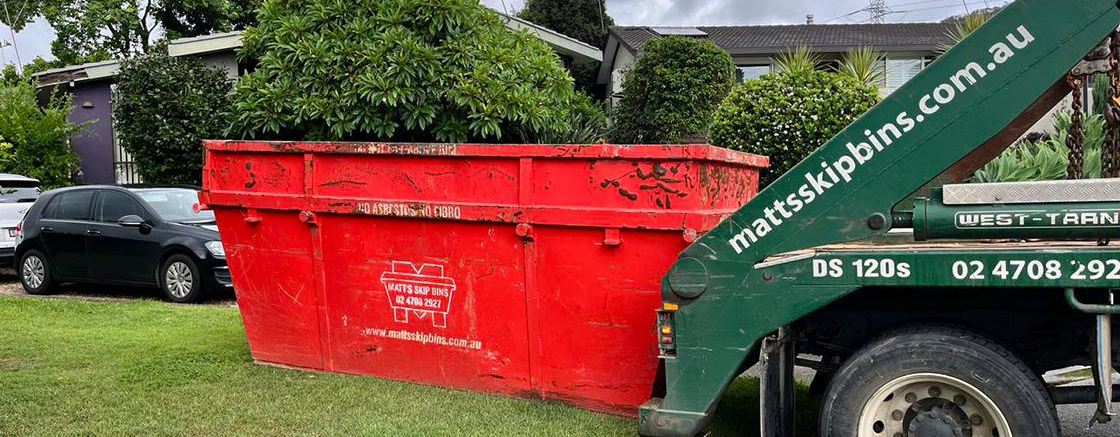
The type of waste matters just as much as the volume. General household waste, things like old furniture, cardboard and broken furniture, can go into a standard skip bin. Heavy materials like concrete, bricks and heavy waste from demolition jobs usually need a specialised heavy-duty bin, since standard skip bins aren’t built to carry that kind of weight safely. Garden waste and green waste, branches, grass clippings, leaves generally have their own bin type too, separate from general rubbish and mixed household waste.
A few other things worth factoring in before you book:
- How much available space you’ve got on site. You need enough space not just for the bin itself but for the truck to access it safely.
- Whether the bin will sit on your property or need to go on the road, which affects whether you’ll need a council permit.
- Whether your waste is a genuinely mixed load or mostly one material type, since some waste types, like electrical waste, medical waste or other hazardous materials, can’t go in with general waste at all.
Getting these right upfront is what separates a smooth skip bin hire from one where you’re calling to sort out extra fees or a second bin partway through the job.
Mini Skip Bins for Small Clean Ups
Mini skips, generally in the 2m³ to 3m³ range, are the right size skip bin for smaller jobs. Think spring cleaning, a garage clean up, decluttering before moving house, or clearing garden waste after a weekend of pruning.
A 2m³ bin has a genuinely small footprint, is easy to fit on a driveway or tucked beside the house, and is usually enough for a single-room clear-out or a modest garden waste job. If you’re clearing out more than one area, or you know you’ve got old furniture and general rubbish on top of garden waste, stepping up to a 3m³ bin gives you a bit of breathing room without paying for space you won’t fill.
Mini skip bins are popular with anyone doing regular small cleanups too; they’re an easy alternative to multiple trips to the tip, and they free up a recycling bin or standard wheelie bins for what should actually go in them.
Medium Skip Bins for Renovations and Bigger Clear Outs
Once you move into the 4m³ to 6m³ range, you’re looking at bins suited to kitchen renovations, bathroom renovations, larger garage or shed clear outs, and small to mid-sized landscaping jobs.
A 4m³ bin sits right on the line between a small and medium job. It’s a good match for renovation projects that generate a moderate mix of waste, think old cabinetry, tiles, and general construction debris from a single room. Moving up to 6m³ gives you enough capacity for larger renovations, bulkier items like old furniture, or a full room transformation where you’re stripping things back before starting again.
This size range is also where many moving-house jobs land. If you’re clearing an entire property rather than a single room, a 6m³ bin usually gives you enough room to get through it in one hire rather than needing a second bin.
Large Skip Bins for Major Renovations and Construction Projects
For large scale construction, major renovations, or commercial projects, you’re generally looking at 8m³ to 12m³ bins.
An 8m³ bin is well suited to heavier construction debris; think a decent volume of bricks, tiles or mixed building materials from a renovation that’s gone beyond just cosmetic work. The 9m³ and 10m³ bins are the ones we recommend most often for genuinely large jobs, big renovations, shop fit-outs, deceased estate clean-outs, and large-scale tree removal or landscaping work where you’re dealing with a serious amount of waste generated in a short window.
These larger bins are also the standard choice for construction projects and demolition waste, where the volume and weight of material means a smaller bin simply won’t keep up. If a job is producing heavy concrete, bricks, or other dense material in bulk, it’s worth talking to our team directly, since some of the heaviest waste types have their own weight-limit considerations regardless of the bin size you choose.
Understanding Waste Types and What Can Go In Your Bin
Not everything can go into a general waste skip bin, and it’s worth knowing the categories before you book so you’re not caught out.
General waste covers most everyday household and light commercial rubbish, furniture, cardboard, general rubbish, and mixed waste that doesn’t fall into a specialised category. Green waste is kept separate and covers garden waste like branches, grass clippings and leaves. Construction waste and demolition waste, bricks, concrete, timber and similar building materials usually need their own bin type given the weight involved.
Certain items are prohibited outright or need separate arrangements. Hazardous waste and hazardous substances, gas bottles, gas cylinders, chemicals and similar materials can’t go into a standard skip bin. The same goes for electrical waste and medical waste, both of which require specific disposal methods rather than general waste collection. If you’re not sure whether something counts as hazardous materials, it’s always worth checking with our team before you fill the bin, since getting this wrong can mean the bin isn’t collected as scheduled.
Weight Limits and Avoiding Extra Fees
Every skip bin size comes with a weight limit, and it varies depending on both the size of the bin and the type of waste going into it. Heavy materials like concrete, bricks or heavy concrete rubble will hit a weight limit well before the bin looks full, which catches a lot of people out if they’re used to thinking purely in terms of volume.
Exceeding the weight limit on your skip bin hire will incur additional fees, so it’s worth being realistic about what you’re loading in, particularly for heavier waste types. If you’re mixing something dense, like concrete or bricks, with lighter general waste, spreading the heavier material evenly through the bin helps, but it won’t get you past a genuine weight limit if the total load is too heavy for the bin size you’ve booked.
This is another reason booking a slightly larger bin, or a specific heavy-duty bin for dense material, tends to save money over the course of a project compared with trying to squeeze everything into the smallest size skip bin available.
Council Permits and Placement
If your skip bin is going on your own property, driveway or yard, you generally won’t need a permit. Once it needs to sit on the road or footpath, most councils in Western Sydney require a permit before the bin is delivered.
Before booking, check that there’s ample space for both the bin and safe truck access, and confirm with our team whether your address will need a council permit arranged in advance. We handle a lot of this process for customers directly, so it’s worth asking when you book rather than finding out on delivery day.
Book the Right Skip Bin Today
Choosing the right skip bin for your needs comes down to being upfront about your waste volume and waste type before you book. Whether it’s a mini skip for garden waste, a medium bin for a kitchen renovation, or a large bin for a major construction project, Matt’s Skip Bins offers reliable delivery across Western Sydney, with same-day delivery available in many areas.
Still not sure which size is right for your job? Get in touch with our team, and we’ll help you find the appropriate skip bin for your project.
Frequently Asked Questions
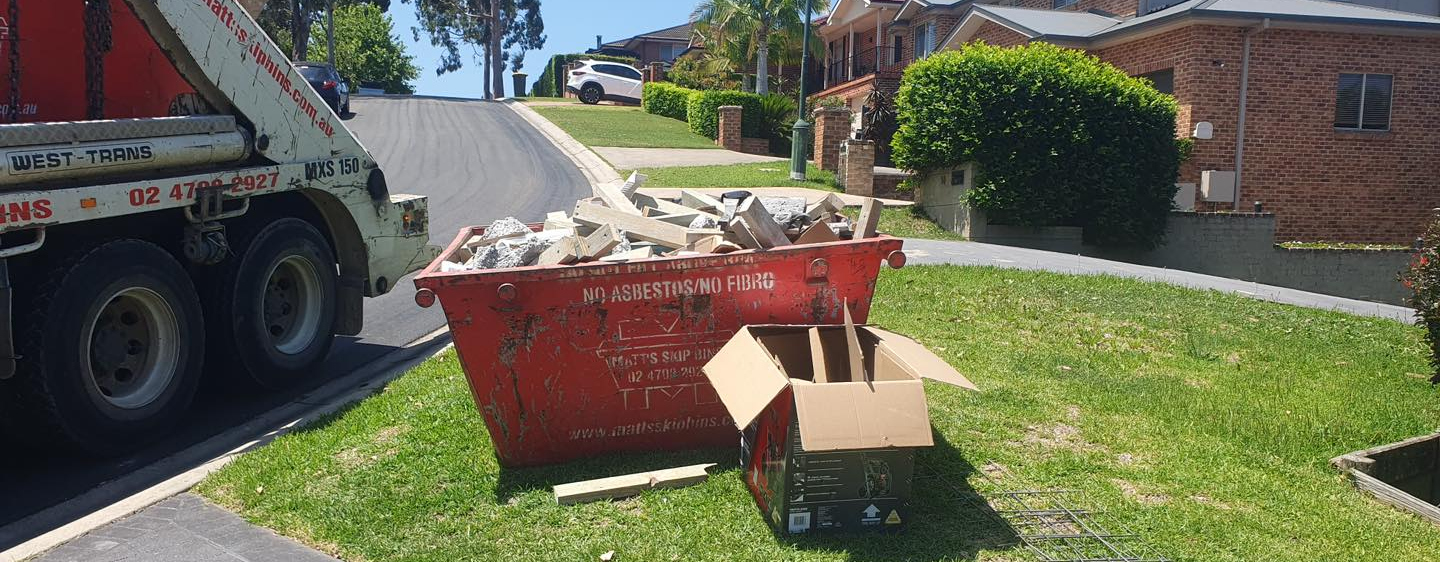
What size skip bin should I get?
It depends on the volume and type of waste you’re disposing of. As a general guide, mini skips (2m³ to 3m³) suit small cleanups, medium bins (4m³ to 6m³) suit renovations and larger clearouts, and large bins (8m³ to 12m³) suit major renovations, construction projects and commercial jobs. If in doubt, choosing a slightly larger bin is usually the safer and more cost-effective option.
What is the best bin to buy?
For most household jobs, a 4m³ or 6m³ bin covers the widest range of common clean-up and renovation tasks without over- or under-ordering. If you’re regularly generating waste, whether that’s from an ongoing project or general household needs, our team can help match the right skip bin size to your specific situation.
What is the price of a 2m³ skip bin in Sydney?
Pricing varies depending on your location, waste type and how long you need the bin for. Get in touch with our team directly for an accurate quote based on your address and job.
What size bin for a family of 4?
For a typical household clean-up, a 4m³ bin is usually enough for a family of four clearing out a room or two, general rubbish and some old furniture included. For a full house move or a bigger job across multiple rooms, stepping up to a 6m³ bin gives you more room to work with.

